From Vision to Market: Andrea Lacarpia on Candy Snake Gallery
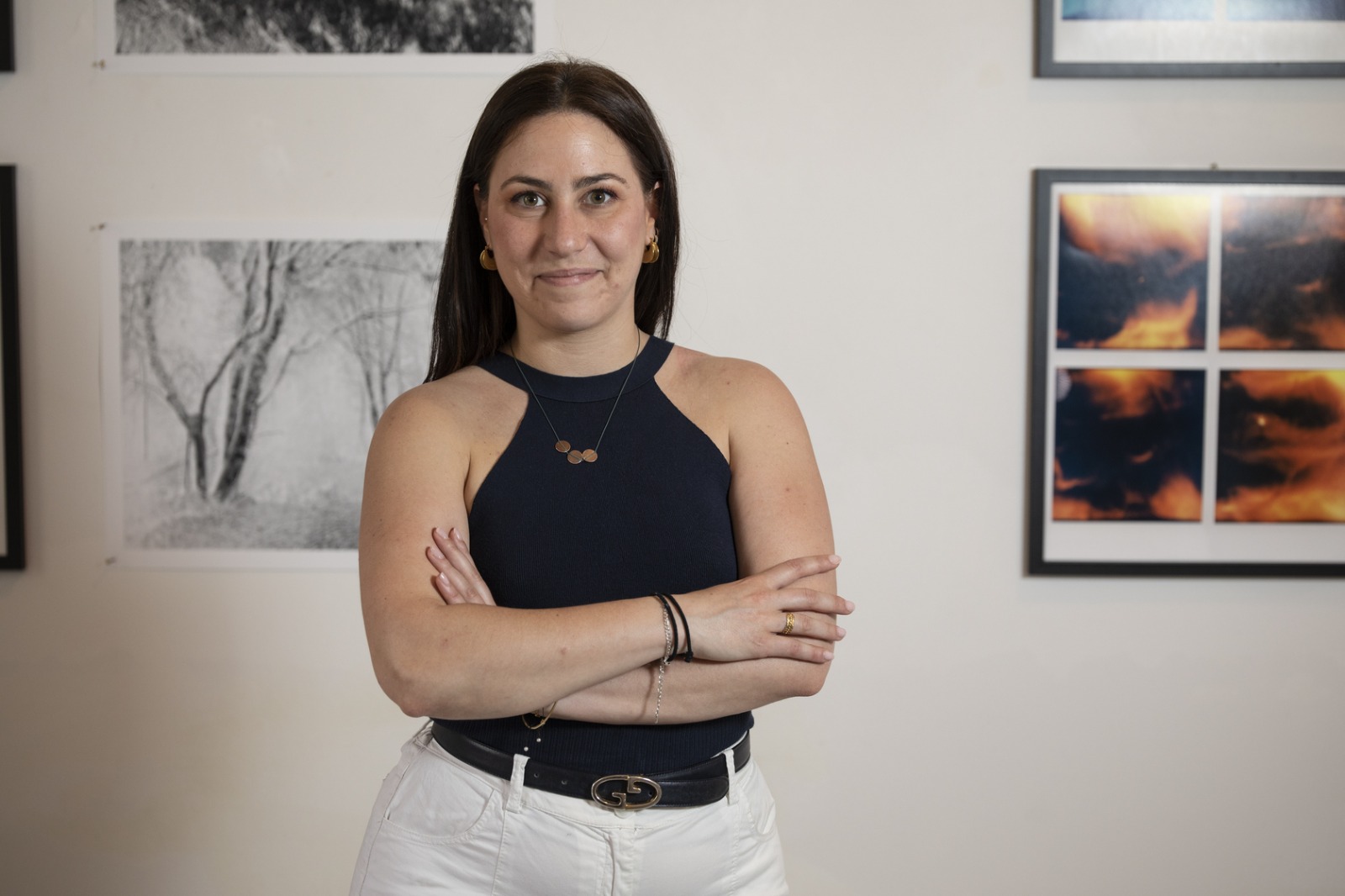
A conversation on the role of galleries in discovering and promoting emerging artists, exploring new approaches to painting, collecting, and the development of professional careers within the contemporary art world.

In the contemporary art world, galleries play a fundamental role not only in promoting and selling artworks, but also in discovering new talent and fostering professional careers that can develop and gain recognition over time. The relationship between artists, gallerists, curators, and collectors is central to the development and recognition of emerging artistic practices.
It is within this context that Candy Snake Gallery operates. Based in Milan and directed by Andrea Lacarpia, the gallery is dedicated to discovering and supporting emerging generations of artists. Through an exhibition programme embracing diverse artistic languages and perspectives, the gallery places particular emphasis on developments in contemporary painting and the dialogue between artistic research and the art market.
A significant example is the gallery’s collaboration with Giuseppe Sciortino, an artist selected by Candy Snake Gallery during the 17th edition of the Combat Prize in 2026 for its Gallery Prize, which includes the development of an exhibition project. This recognition was followed by the recent Massimiliano Galliani Prize for Drawing Under 40, awarded at ArtVerona 2026, where Sciortino was presented by Candy Snake Gallery. His work has also entered the collection of Fondazione The Bank and been featured in the exhibition project Ensemble 2026 – Biennial Observatory on Emerging Painting in Italy.
Sciortino’s career thus provides an opportunity to reflect on the role of art prizes and galleries in supporting emerging artists, as well as the importance of creating meaningful opportunities for artistic research to engage with the professional contemporary art world.
We interviewed Andrea Lacarpia, director of Candy Snake Gallery, to explore the gallery’s journey and his perspective on emerging generations of artists, at a time of renewed interest in contemporary painting.

Andrea, how did Candy Snake Gallery come about, and what vision has guided the development of the project?
The idea of founding Candy Snake Gallery emerged after a period of reflection during the enforced pause brought about by the pandemic. At the time, I was directing the independent art space Dimora Artica, which was approaching its ninth year of activity, and I began to feel the need to transform the project into a commercial gallery. My intention was to make art collecting more accessible and encourage a new audience to engage with it, through an affordable pricing policy free from a speculative approach.
The pleasure of acquiring an artwork became central to the project, as reflected in the reference to candy in the gallery’s name. Naturally, the gallery has since grown, bringing other factors into play, such as engaging with more experienced collectors. Nevertheless, an approach rooted in aesthetic enjoyment and accessible communication remains at the heart of the project.
Candy Snake Gallery places particular emphasis on discovering and promoting emerging generations of artists. What principles currently guide your curatorial choices, and what qualities do you look for in artists you decide to collaborate with?
Although our programme has recently expanded to include mid-career artists, scouting emerging talent remains the cornerstone of the gallery’s activity and a defining part of its identity. Several considerations come into play when identifying artists with whom to establish a long-term relationship, but the initial spark is always personal taste: an instinctive attraction, an immediate intuition that makes me think, “This is the right artist.”
On both a formal and conceptual level, I am consistently drawn to works that demonstrate meticulous attention to detail and exceptional technical skill. I look for artworks capable of representing reality while simultaneously transcending it, transporting the viewer into an alternative dimension.
A timeless quality in storytelling is a recurring characteristic of the artists we work with. Their practices move beyond fleeting trends to resonate on a deeper level.
On the occasion of the 17th edition of the Combat Prize, you awarded the Gallery Prize to Giuseppe Sciortino, choosing to embark on an exhibition project with him. More recently, the artist also received the Massimiliano Galliani Prize for Drawing Under 40 at ArtVerona 2026, where he was represented by your gallery. What aspects of his artistic practice initially caught your attention, and how has your relationship with the artist developed since then?
Among the participants in the latest edition of the Combat Prize, Giuseppe Sciortino’s work immediately stood out for its extraordinary technical mastery and his rare ability to imbue often-overlooked details of everyday reality with a metaphysical aura. This is complemented by a remarkable sensitivity to colour, capable of creating suspended, vibrant atmospheres.
Our initial agreement involved developing a solo exhibition at the gallery, scheduled to take place in 2027. However, with Lucca Art Fair and subsequently ArtVerona approaching on our calendar, we realised that bringing forward his presentation in the art fair context could offer an excellent opportunity.
Exhibiting his work at these events allowed us to introduce his artistic practice immediately to a broad and highly qualified audience of collectors and art professionals.

Sciortino’s recent journey, from his participation in the Combat Prize to the recognition he received at ArtVerona, offers an opportunity to reflect on the relationship between artistic research and the art world. What role can prizes and competitions play in discovering and supporting the development of emerging artists? And how important is it for a gallery to observe an artist’s work within a context of selection and critical exchange such as the Combat Prize?
In today’s contemporary art landscape, the selection of artists has become a crucial process. The sheer abundance of artistic proposals, exponentially amplified by social media, often risks creating background noise and confusion.
In this context, established art prizes such as the Combat Prize play a fundamental role because they help “narrow the field”, providing an initial and necessary selection based on the judgement of respected figures and critics with proven expertise.
For a gallery, being able to observe an artist’s work within such a stimulating environment of critical exchange is an excellent barometer. It allows us to assess the formal strength of their work and its critical reception within the art world, providing a solid foundation for investing in new projects.
In recent years, painting seems to have regained a central position in the contemporary art landscape, particularly through the practices of younger generations of artists. Is this growing attention also reflected in the art market? How is collectors’ interest in emerging painting evolving, and what qualities allow a painter’s artistic practice to stand out today?
Painting is currently experiencing a period of renewed prominence as a form of artistic expression, a phenomenon that is closely aligned with market dynamics and collectors’ interests. While in certain periods painting was sometimes overshadowed by other media within the museum circuit, today it has undoubtedly regained its position as one of the leading forms of contemporary artistic expression.
However, I believe it is essential to avoid creating artificial boundaries by drawing a rigid distinction between painting and other artistic languages. I prefer to focus on different aesthetic sensibilities rather than on the medium itself.
Personally, I am particularly drawn to an artistic sensibility that actively engages with classical traditions and art history: a sophisticated, multilayered approach that can manifest itself just as effectively in painting as in sculpture, installation, or cinema. It is this depth of artistic vision that makes a practice truly distinctive.

The relationship between a gallery and an artist extends far beyond organising an exhibition or selling artworks. In your view, what responsibilities does a gallery have in building and consolidating an artist’s career? And what opportunities can art fairs and collaborations with other organisations within the art world offer along this journey?
A gallery’s primary responsibility lies in its ability to build and maintain a strong relationship of mutual trust with its artists, a strategic partnership in which both parties plan and move forward together towards shared goals. Our role is not merely commercial, but also involves protecting artists’ interests and positioning their work within the art world.
While gallery exhibitions provide an intimate setting for exploring artistic practices in depth and experimenting with exhibition spaces, art fairs and subsequent collaborations with curators and museum institutions become essential milestones in an artist’s professional development.
These broader platforms accelerate the evolution of artistic research and help secure both critical recognition and commercial success within an increasingly extensive and structured international art network.


Comments